ZHI YAN Group Co.,Ltd Leading technology Custom machinemachine manufacturers
Contact No.:+86 18221614363
Email:zhimachine@foxmail.com
Contact No.:+86 18221614363
Email:zhimachine@foxmail.com

Adr :636 Yunqiao Road, Pudong New Area, Shanghai, China
Phone : +86 18221614363
Email : zhimachine@foxmail.com
Tel : +86 18221614363
processing capacity:5-50000tons/d
Application scope:vegetable
Product introduction: Complete introduction of edible fruit and vegetable enzyme production line
There
are two main process routes for edible enzymes on the market: natural
fermentation at room temperature for a long time and modern controllable
constant temperature fermentation for beverages; The entire line is
made of 304/316L food grade stainless steel, which meets the standards
of food SC and GMP clean room. It is fully automated and closed-loop
production from raw material processing to finished product packaging
Detailed introduction of enzyme production line
Complete introduction of edible fruit and vegetable enzyme production line
There are two main process routes for edible enzymes on the market: natural fermentation at room temperature for a long time and modern controllable constant temperature fermentation for beverages; The entire line is made of 304/316L food grade stainless steel, which meets the standards of food SC and GMP clean room. It is fully automated and closed-loop production from raw material processing to finished product packaging.
1、 The entire production line is divided into 6 functional systems
1. Raw material pretreatment system
2. Preparation of bacterial strains and multi-stage fermentation system (core of the entire production line)
3. Solid liquid separation+precision filtration clarification system
4. Allocation and concentration system
5. Sterilization system (activity retention key)
6. Aseptic filling and post packaging automation system
2、 Complete process flow (standard liquid fruit and vegetable enzymes)
Raw material sorting → Bubble cleaning → Sorting and trimming → Crushing and beating/colloid grinding to break the wall → Enzyme inactivation pretreatment → Mixing of sugar groups (brown sugar/honey) → Inoculation → Primary main fermentation → Maturation after aging (secondary slow fermentation) → Crushing and centrifugal coarse separation → Multi stage precision filtration → Mixing and volume control → Sterilization → Aseptic filling → Lamp inspection → Labeling and coding → Packing and palletizing → Finished product storage
1. Raw material pretreatment section
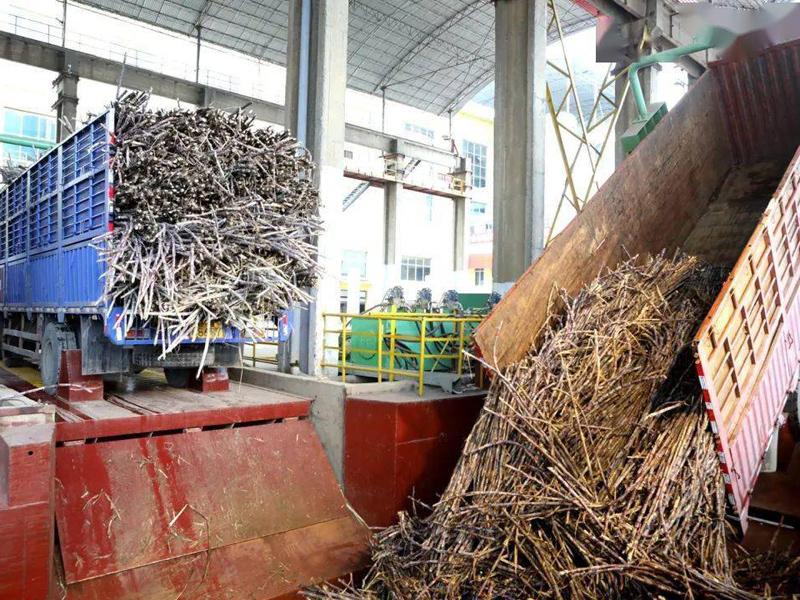
-Equipment: Elevator, Bubble Cleaning Machine (with Ozone Spray), Brush Cleaning Platform, Selection Conveyor Platform, Crusher, Beater, Colloid Mill (Cell Wall Breaking), Spiral Juicer
-Key points of process
1. High pressure bubble+spray cleaning to remove pesticide residues and sediment;
2. Crushing+colloid mill ultrafine shearing, breaking fruit and vegetable cell walls, improving fermentation conversion rate;
3. Color protection and cooling to prevent juice from browning and oxidation.
2. Fermentation section (the core of the entire production line)
auxiliary equipment
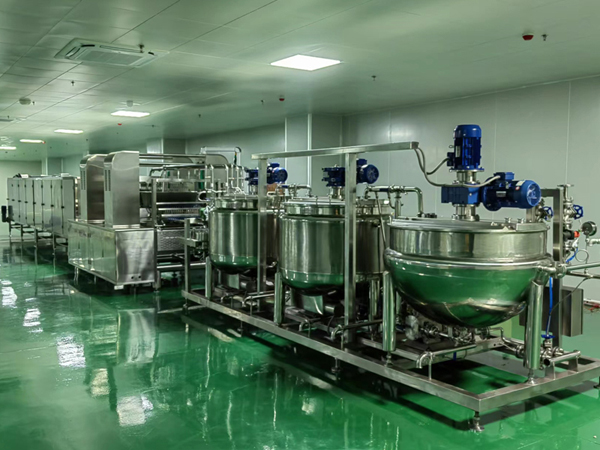
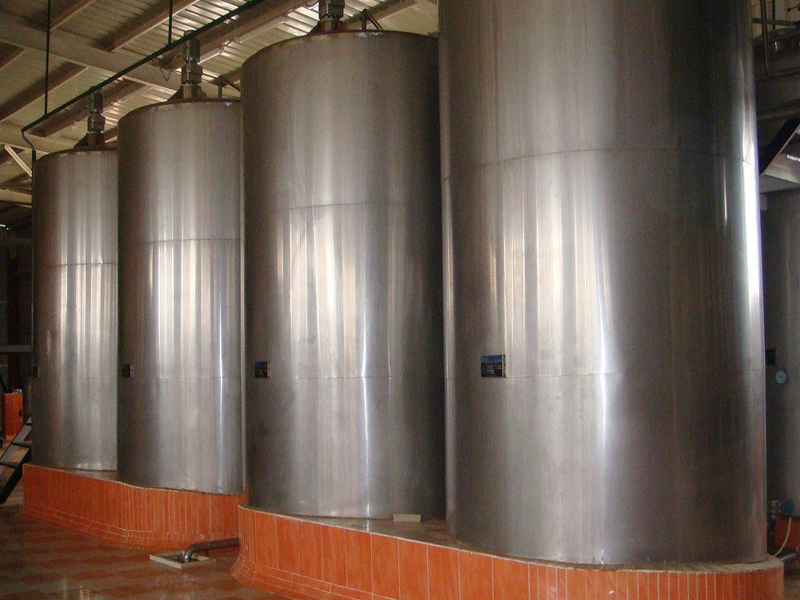
Shake bottle machine → Primary seed tank → Secondary expansion tank → Main fermentation tank group → Aging and maturation tank
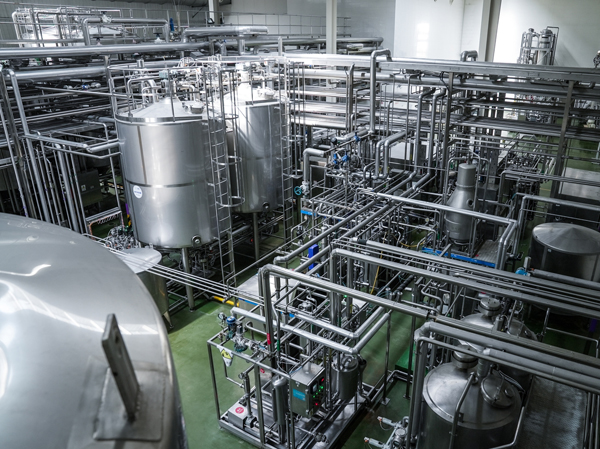
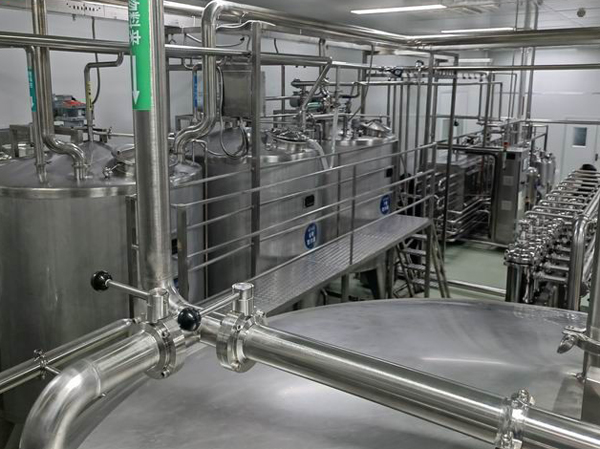
Fermentation tank standard configuration: temperature control jacket, stirring motor, sterile air system, breathing valve, online pH/temperature sensor, CIP on-site cleaning system, explosion-proof breathable membrane, two mainstream fermentation processes
1) Traditional long-term natural fermentation
Relying on the inherent microbial community of fruits and vegetables; Fermentation at 20-30 ℃ for 1-3 months, followed by aging in a dark and constant temperature container for 6 months to 2 years; Rich in flavor, but with large batch differences and long cycles.
Three stage changes in microbial community: yeast (producing alcohol through saccharification) → acetobacter (converting alcohol) → lactic acid bacteria (producing organic acids and maturing)
2) Artificial inoculation controlled fermentation (industrial mass production)
Artificially introducing composite bacterial strains (yeast, lactic acid bacteria, acetic acid bacteria); Accurate temperature control of 28? 37 ℃, control pH 3.5? 4.5; Fermentation cycle 3? 15 days; The product batch is stable and suitable for standardized mass production.
>Live bacterial enzymes: After fermentation, they are not sterilized at high temperatures and are stored in a low-temperature sealed container throughout the process; Ordinary beverage enzymes: post sterilization to extend shelf life.
3. Separation and clarification section
Press machine → Butterfly centrifuge → Plate and frame filter → Ultrafiltration/ceramic membrane fine filtration (0.22 μ m sterilization grade)
1. Squeeze and separate solid enzyme residue;
2. Centrifugal removal of fine suspended solids;
3. Obtain transparent enzyme stock solution through membrane filtration; Filter residue can be further processed into raw material of enzyme powder (spray drying)
4. Preparation and concentration section
Mixing tank (with mixing and heat exchange), vacuum concentration equipment
Adjust the sugar content, acidity, and taste by adding purified water, honey, juice, and sweet substances according to the formula; If high concentration original solution is required, low-temperature vacuum concentration (≤ 60 ℃) should be used to protect the active substance.
5. Sterilization process (3 options, choose according to product positioning)
1. Low temperature pasteurization at 60 ° C? 72℃/10? 30 minutes: retain most of the active substances;
2. UHT ultra-high temperature instantaneous sterilization 135? 137℃/3? 5s: thorough sterilization, long shelf life, suitable for ordinary beverage products;
3. HPP ultra-high pressure cold sterilization (600MPa room temperature sterilization): High end live bacterial enzyme, no heating, highest activity, higher equipment cost
6. Fully automatic filling and packaging section
Aseptic can → Three in one filling machine (bottle washing, filling, and capping) → Lamp inspection machine → Labeling machine → Spray coding machine → Unboxing machine? Packing machine? Sealed box? Robotic palletizing
-Container types: glass bottles, PET plastic bottles, self-supporting bags;
-Capacity range: Small 200? 1000 bottles per hour; Medium to large size 2000? 12000 bottles per hour; Large factories can produce over 20000 bottles;
-Cleanliness level: The filling area requires a cleanroom of 100000 level, and sterile filling can reach 10000 level.
3、 Solid state enzyme powder extension process (optional module)
Liquid enzyme stock solution → low temperature concentration → spray drying/freeze drying → granulation → packaging
Suitable for powder, tablet, and meal replacement enzyme products.
4、 Automation and supporting public works
1. CIP/SIP cleaning system: automatic cleaning and disinfection of the entire pipeline and tank body;
2. Refrigeration unit, steam boiler, pure water preparation system;
3. DCS electronic control system: remote monitoring of fermentation temperature pH、 Time, record production data to meet food traceability requirements;
4. Quality inspection support: Physical and chemical laboratory (acidity, sugar content, microbiological testing).
5、 Capacity configuration reference
1. Small scale testing line: capable of processing 0.5-2 tons of raw materials per day, suitable for research and development and small-scale testing;
2. Small and medium-sized production line: Processing 3-10 tons of raw materials per day, suitable for small and medium-sized food factories;
3. Large scale industrial production line: capable of processing over 20-100 tons of raw materials per day, with a cluster of fermentation tanks at the hundred ton level.
All rights reserved:Zhi Yan Group Co., Ltd SitemapSitemapCandy making machine candy production line Toffee production line biscuit production line lollipop production line Gummy production line Popping boba production lineManufacturer
-7854.jpg)