ZHI YAN Group Co.,Ltd Leading technology Custom machinemachine manufacturers
Contact No.:+86 18221614363
Email:zhimachine@foxmail.com
Contact No.:+86 18221614363
Email:zhimachine@foxmail.com

Adr :636 Yunqiao Road, Pudong New Area, Shanghai, China
Phone : +86 18221614363
Email : zhimachine@foxmail.com
Tel : +86 18221614363
processing capacity:5-50000tons/d
Application scope:Fruit and vegetable juice drinks
Product introduction: The vegetable juice production line
is a complete set of food grade automated equipment that uses fresh
vegetables (carrots, tomatoes, spinach, celery, beetroot, cucumber,
etc.) as raw materials and processes them through standardized
continuous processing to produce turbid juice, clarified juice, NFC
freshly squeezed vegetable juice, concentrated vegetable juice, and
composite vegetable beverages. The entire line is made of 304/316
stainless steel,
Detailed introduction of vegetable juice production line
Complete introduction of fully automatic vegetable juice production line
The vegetable juice production line is a complete set of food grade automated equipment that uses fresh vegetables (carrots, tomatoes, spinach, celery, beetroot, cucumber, etc.) as raw materials and processes them through standardized continuous processing to produce turbid juice, clarified juice, NFC freshly squeezed vegetable juice, concentrated vegetable juice, and composite vegetable beverages. The entire line is made of 304/316 stainless steel, equipped with CIP in-situ cleaning and SIP online sterilization, meeting the GMP and SC production standards of food factories.
1、 Complete process flow of the five major sections of the entire production line
Section 1: Raw material pretreatment section (determining the final product flavor and hygiene)
Process: Raw material receiving → lifting and conveying → bubble cleaning → brush cleaning → spray sterilization → manual/photoelectric sorting → root and stem removal → peeling (rhizomes) → bleaching and color protection → crushing and pulping
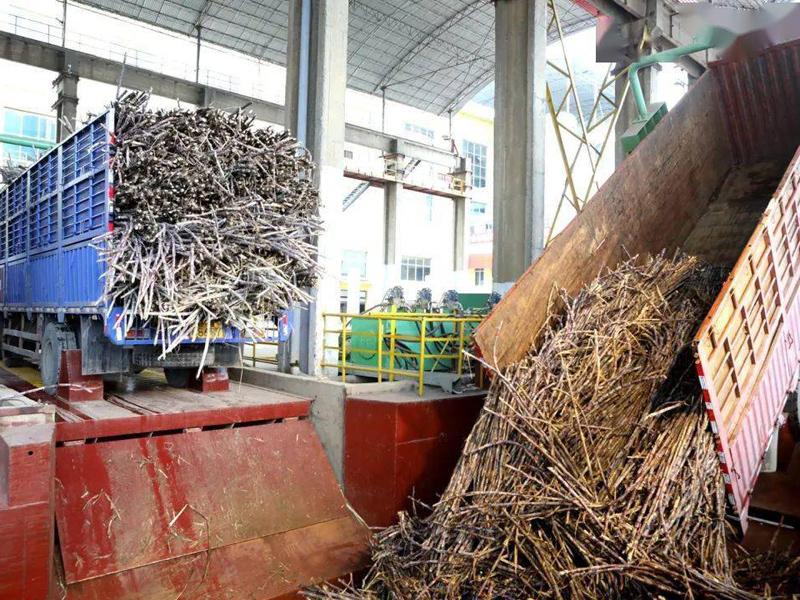
1. Feeding elevator: belt/mesh conveyor, sending vegetables into the cleaning station;
2. Bubble cleaning machine: high-pressure bubbles+circulating water flushing to remove sediment; Optional ozone water/hypochlorous acid sterilization to reduce initial bacterial colonies; Gently clean leafy vegetables, and use a brush cleaning machine to polish the surface of root and stem vegetables;
3. Sorting table/color sorting machine: manual or AI visual removal of rotten, moldy, and foreign materials;
4. Peeling equipment: Carrots, ginger and other root vegetables are peeled using a brush peeling machine;
5. Blanching and pre boiling machine (a key process unique to vegetables): Short time blanching with hot water/steam at 85-95 ℃ to passivate oxidase, prevent browning and decolorization, and soften the tissue to improve juice yield; Spinach and broccoli must be color protected and blanched; Tomato hot crushing enhances flavor;
6. Crusher/Beater: A toothed knife/hammer crusher crushes vegetables into pulp; Three pulping machines are used to classify and screen the fineness of the pulp.
Core Equipment List: Spiral Elevator, Bubble Cleaning Machine, Brush Cleaning Machine, Blanching Machine, Cooling Tank, Crusher, Multi stage Beating Machine, Spiral Conveyor
Section 2: Juice Extraction, Separation, and Clarification Section
There are two processing routes: cloudy vegetable juice and clear vegetable juice
1. Selection of juicing equipment
-Spiral press machine: hard vegetables such as carrots, beets, celery, etc;
-Belt press: High capacity continuous pressing;
-Horizontal spiral centrifuge: directly separates pulp residue, suitable for leafy vegetables;
2. Coarse filtration: vibrating screen to remove coarse fiber residue;
3. Two technological branches
-Cloudy vegetable juice (retaining pulp fiber, mainstream healthy product): skip deep clarification and directly send it for degassing and homogenization;
-Clarify vegetable juice (transparent without fruit pulp): Enzyme hydrolysis tank (45-55 ℃ with added pectinase and cellulase for 1-2 hours) → Diatomaceous earth filtration/plate and frame filtration/ceramic ultrafiltration membrane filtration, thoroughly removing pectin and suspended particles, making the juice transparent and stable;
4. Residue treatment: The residue material can be transported and recycled, and can be made into dietary fiber by-products.
Core equipment: Spiral press, belt press, horizontal spiral centrifuge, enzymatic hydrolysis insulation tank, plate and frame filter, ceramic membrane ultrafiltration system, residue conveyor
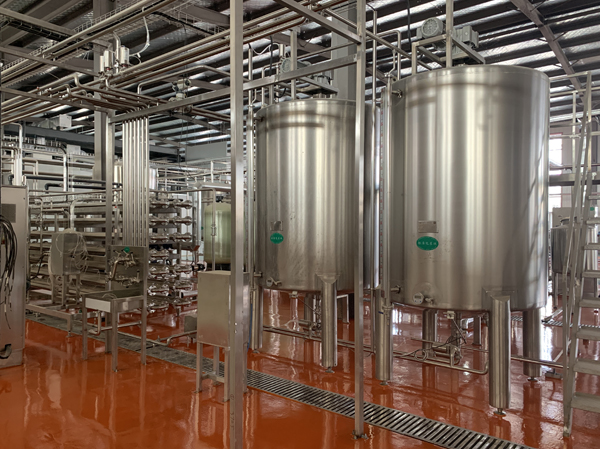
Section 3: Mixing, Degassing, Homogenization Section (Beverage Stability Control)
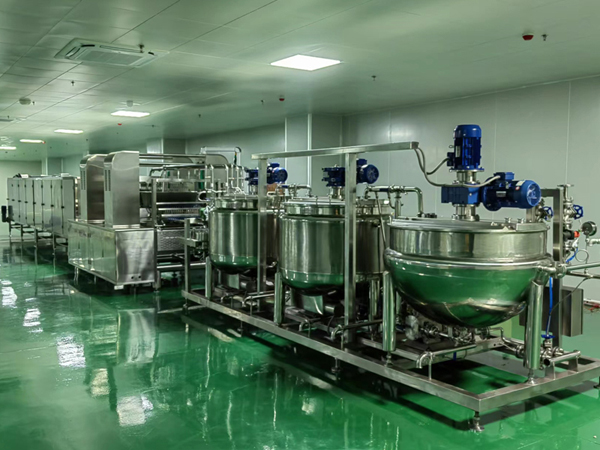
1. Blending system: batching tank, sugar melting tank, raw juice, purified water, white granulated sugar, acidity regulator, vitamins, and edible essence are prepared according to the formula; Equipped with online sugar analyzer and real-time pH detection;
2. Vacuum degasser: the vacuum environment removes the oxygen inside the juice, inhibits the oxidation and discoloration of vitamins, reduces the sterilization foam, and protects the natural color of vegetables;
3. High pressure homogenizer: Use 150-300 bar high pressure to crush tiny fruit pulp particles, ensuring that cloudy vegetable juice does not layer or settle for a long time, resulting in a delicate and smooth taste (an essential process for cloudy juice, while clear juice generally does not require homogenization).
Core equipment: multifunctional mixing tank, vacuum degassing machine, high-pressure homogenization unit, online metering and addition system
Section 4: Sterilization system (determines shelf life, 3 mainstream solutions)
1. UHT ultra-high temperature instantaneous sterilization (commercial sterile, shelf life of 6-12 months at room temperature): 120-135 ℃, insulation for 4-15 seconds, rapid heating and cooling, maximum retention of nutritional flavor; Paired with sterile filling; Suitable for PET bottles and Tetra Pak large capacity vegetable juice drinks;
2. Pasteurization (low-temperature preservation): 80-95 ℃, insulation for 15-60 seconds, secondary spray sterilization after filling; Refrigerated storage, shelf life of 7-30 days;
3. HPP ultra-high pressure cold sterilization (high-end NFC cold pressed vegetable juice): 400-600MPa room temperature high-pressure sterilization, completely unheated, zero loss of vitamins and active substances; The finished product is refrigerated at 0-4 ℃ throughout the entire process, with a shelf life of 30-90 days, positioned as a high-end functional vegetable juice product.
Supporting public systems: CIP in-situ cleaning system (automatic circulation cleaning of all pipeline tanks with acid-base hot water), SIP online steam sterilization, refrigeration unit.
Section 5: Aseptic filling and post packaging section
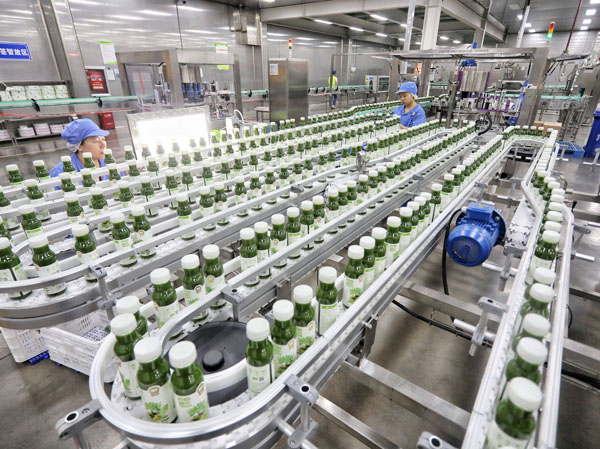
1. Aseptic filling machine: Select the model according to the packaging
-PET plastic bottle: integrated sterile filling with blowing, filling and spinning;
-Glass bottle: negative pressure/isobaric filling machine;
-Roof box: sterile paper packaging equipment;
-Filling and sealing of self-supporting bags and aluminum foil bags;
2. Back end packaging: inkjet printer (production date) → labeling machine → light inspection (manual/machine detection of impurities and liquid level) → wrapping machine → packing machine → palletizing robot;
3. Storage: Room temperature warehouse/0-4 ℃ refrigerated warehouse (HPP, pasteurized version).
2、 Differences in production line configurations corresponding to different finished products
|Product type | Key process | Sterilization method | Storage conditions|
|---|---|---|---|
|Cloudy original juice/NFC vegetable juice | Blanching → Pressing → Degassing → High pressure homogenization | UHT sterile/HPP cold sterilization | Room temperature or refrigeration|
|Clarify vegetable juice | Enzymatic hydrolysis+ultrafiltration filtration, without high-pressure homogenization | UHT instant sterilization | Store at room temperature|
|Concentrated vegetable juice | Multi effect falling film vacuum concentration (solids 45-60 ° Brix) | UHT sterilization sterile large bag filling | Room temperature storage, used as raw materials for beverage factories|
|Compound vegetable beverage | diluted with water, sugar and essence | UHT sterilization filling | 6 – 12 months at room temperature|
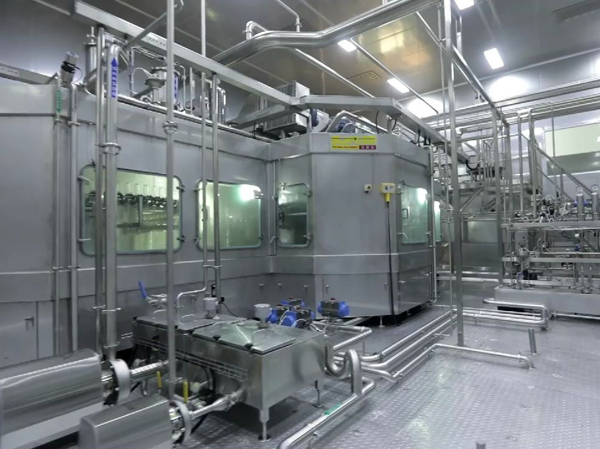
3、 Capacity specification division
1. Small scale experiment/small batch line: 0.2-1 tons/hour; Suitable for laboratories and start-up factories; Semi automatic+minimal manual labor;
2. Small and medium-sized industrial production lines: 1-5 tons/hour; Fully automatic continuous production, mainstream configuration in domestic beverage factories;
3. Large scale production line: 5-20 tons/hour; Fully automated control, PLC central control, suitable for large-scale fruit and vegetable deep processing enterprises.
4、 Production line self-control and auxiliary system
1. PLC human-machine interface fully automatic control, automatic recording and storage of temperature, pressure, and flow rate, meeting the traceability requirements of food and drug supervision;
2. CIP cleaning system: The entire line does not require disassembly of equipment and automatically cleans and sterilizes;
3. Wastewater treatment system; Steam boilers and chillers; Laboratory testing equipment (refractometer, acidimeter, microbiological testing instrument).
5、 Key points of special processing for vegetable juice compared to fruit juice
1. Most vegetables must be blanched to protect their color and prevent browning (spinach, broccoli);
2. Leafy vegetables have a high fiber content and a large amount of residue, so it is preferred to use spiral centrifugation for juice extraction;
3. Chlorophyll is easily decomposed by heat, and higher temperature control accuracy is required;
4. Many vegetables come with a grassy astringency, and the process involves adding bitterness and flavor removal steps to optimize the taste.
All rights reserved:Zhi Yan Group Co., Ltd SitemapSitemapCandy making machine candy production line Toffee production line biscuit production line lollipop production line Gummy production line Popping boba production lineManufacturer
-7854.jpg)