ZHI YAN Group Co.,Ltd Leading technology Custom machinemachine manufacturers
Contact No.:+86 18221614363
Email:zhimachine@foxmail.com
Contact No.:+86 18221614363
Email:zhimachine@foxmail.com

Adr :636 Yunqiao Road, Pudong New Area, Shanghai, China
Phone : +86 18221614363
Email : zhimachine@foxmail.com
Tel : +86 18221614363
 Juice Beverage Production Line-7632.jpg)
processing capacity:5-50000tons/d
Application scope:Fruit and vegetable juice drinks
Product introduction: NFC stands for Not From Concentrate,
which refers to non concentrated and reduced fruit juice, different from
regular concentrated and reduced fruit juice; Process core: Fresh fruit
is directly pressed without concentration or reduction with water.
After instantaneous sterilization,
Complete Introduction to NFC (Non Concentrated Reduction) Juice Beverage Production Line
NFC stands for Not From Concentrate, which refers to non concentrated and reduced fruit juice, different from regular concentrated and reduced fruit juice; Process core: Fresh fruit is directly pressed without concentration or reduction with water. After instantaneous sterilization, it is directly filled in a sterile manner, maximizing the preservation of the natural flavor and nutrition of the fruit. The entire production line is divided into seven sections: raw material pretreatment, juice extraction, juice refining, sterilization and freshness locking, aseptic filling, final packaging, and common auxiliary system. The entire line is made of food grade 304/316L stainless steel material, equipped with CIP in-situ cleaning and PLC automation control.
1、 Complete process flow of Juice Production Line
Fresh fruit receiving → lifting and conveying → grading and picking → bubble+brush cleaning → air drying → peeling/nucleating/crushing → cold press juicing → coarse filtration → centrifugal fine filtration → vacuum degassing → high-pressure homogenization → UHT instantaneous sterilization → rapid cooling → sterile buffer tank → sterile cold filling → sealing → coding → labeling → light inspection → packing and palletizing → cold storage storage
2、 Detailed explanation of equipment and process parameters for each section
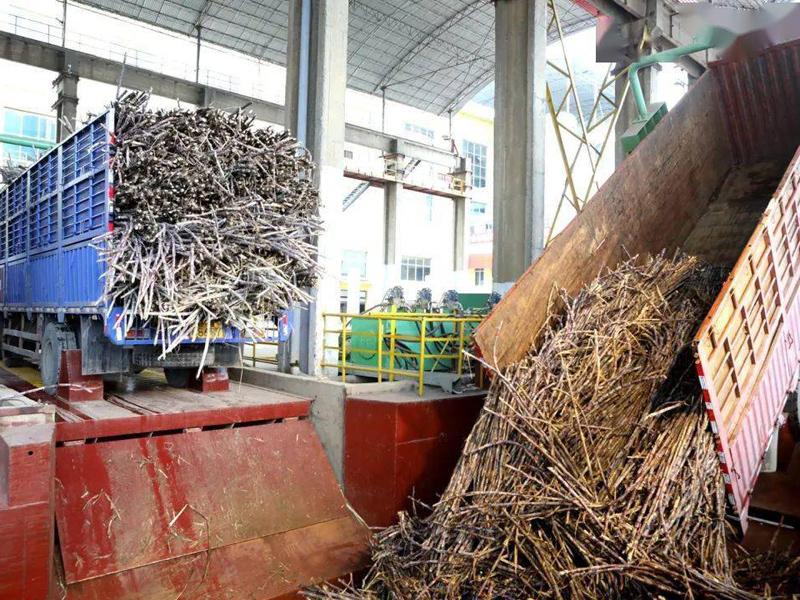
1. Raw material pretreatment section
Function: Remove impurities, pesticide residues, and bad fruits to ensure the quality of raw materials
1. Material lifting machine: belt/mesh belt lifting, conveying fresh fruits;
2. Picking platform/optical intelligent sorting machine: manual+visual spectral detection, removing rotten, deformed, and immature fruits;
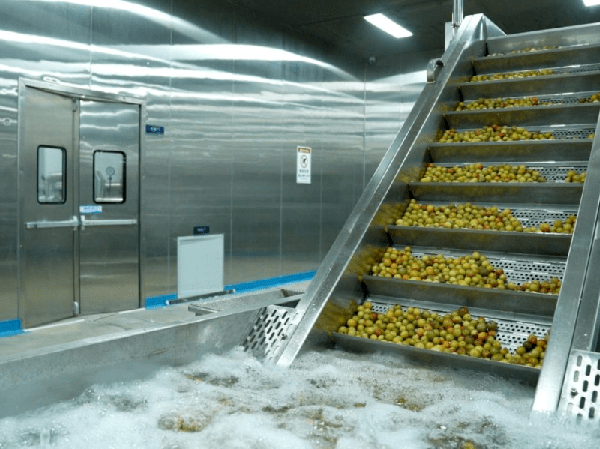
3. Bubble cleaning machine: Bubble rolling cleaning, combined with ozone/food grade additives to remove pesticide residues;
4. Brush spray cleaning machine: Friction cleaning of fruit peel stains;
5. Air dryer: blow dry surface floating water to avoid diluting juice;
6. Peeling and nucleating crusher (optional):
-Apple/Pear: Tooth crusher; Peach/Mango: Seeding and Beating Machine; Oranges: Specialized citrus peeler and juicer unit.
2. Juice Extraction Section (NFC Core Low Temperature Freshness Locking)
Control the pressing temperature to ≤ 40 ℃ to reduce the loss of vitamin C oxidation
-Apple/Pear: Belt press, Bucher press, juice yield of 75%? 82%
-Orange/Citrus: Cup style citrus juicer, separates skin essential oil, fruit residue, and juice, with a juice yield of about 78%
-Berries/Soft Fruits: Cold Beater, Spiral Juicer
-Coarse filtration: vibrating screen, separating large pieces of fruit residue fibers
3. Juice refining and stabilization section
1. Disc centrifuge: removes small and coarse fibers, pectin impurities, and is divided into two processes: clear juice and fruit pulp;
2. Dual precision filter: secondary interception of particles;
3. Vacuum degassing tower: Negative pressure environment removes dissolved oxygen from fruit juice, inhibits browning and oxidation, and protects fruit aroma;
4. High pressure homogenizer: pressure of 150? 250bar, Crush the fruit pulp particles to prevent product layering and sedimentation, resulting in a delicate and smooth taste;
>The homogenization pressure of the clear juice product is too low; The flesh type NFC requires secondary high-pressure homogenization.
4. Sterilization system (determines shelf life)
3 mainstream sterilization schemes, choose as needed:
1. UHT ultra-high temperature instantaneous sterilization (room temperature long-term warranty): 105? 125 ℃, staying for 4 hours? 15 seconds, quickly cool to 20 after sterilization? 25 ℃, equipped with sterile cold filling, shelf life of 6? 12 months;
2. Low temperature pasteurization (refrigerated freshly squeezed): 85? 92℃/15? 60s, Cool to around 4 ℃ for filling, refrigerated shelf life of 7? 30 days;
3. HPP ultra-high pressure cold sterilization (high-end product): 400? 600MPa room temperature holding pressure 3? 5 minutes, almost no heat damage, best flavor, high equipment investment cost.
5. Aseptic filling section (highest cleanliness level of the entire production line)
The sterilized juice enters a sealed sterile tank and is filled in an A-level sterile environment to prevent secondary contamination
1. Packaging sterilization system: PET bottles/Tetra Pak bags/glass bottles are sterilized with hydrogen peroxide, ultraviolet, and high-temperature steam;
2. Aseptic filling machine:
-Tetra Pak/Kangmei Packaging: Aseptic filling of paper boxes;
-PET bottle: blown? Pouring? Integrated sterile cold infusion line;
-Glass bottle: sterile screw cap filling;
3. Cover and spray cooling (hot filling process requires rapid cooling).
6. Backend packaging section
Lamp inspection (manual/visual inspection for leakage and impurities) → inkjet printer (production date and batch number) → labeling/labeling machine → drying → packing machine → palletizing robot → finished product cold storage.
3、 Complete set of public auxiliary systems (essential for production lines)
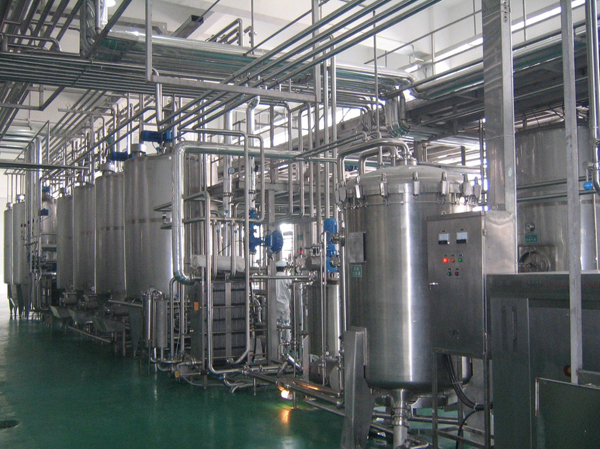
1. CIP/SIP cleaning and sterilization system: online acid-base cleaning, steam sterilization, no need to disassemble, meeting food hygiene standards;
2. RO water treatment system: Purification of production cleaning water;
3. Refrigeration unit: controls the low-temperature process of the entire line;
4. Aseptic air and steam boiler system;
5. PLC human-machine control system: automatic linkage of the entire line, formula storage, real-time recording of temperature and pressure, and data traceability;
6. Fruit residue recycling system: The fruit peel and residue are recycled to produce feed, pectin, and essential oils (with added value as by-products).
4、 Capacity specifications and packaging forms
1. Capacity range: Small scale test line 0.5? 2 tons/hour; Medium scale production line 3? 10 tons/hour; Large scale industrialization line 15? 50 tons/hour;
2. Optional packaging: PET plastic bottles, glass bottles, Tetra Pak bricks/roof bags, sterile large bags (bulk NFC raw materials);
3. Product types: Clear juice NFC, NFC with pulp, composite mixed NFC juice.
5、 Core difference between NFC juice line and ordinary FC concentrated and restored juice line
|Comparison | NFC Juice Production Line | FC Concentrated and Reduced Juice Line|
| ---- | ---- | ---- |
|Process route | Fresh fruit → Juice extraction → Sterilization → Filling | Juice extraction → Vacuum concentration → Storage → Water blending → Filling|
|Temperature control | Low temperature cold pressing throughout the process, short-term sterilization | High temperature evaporation of water in the concentration section|
|Equipment differences | Expensive sterile cold filling and cold pressing units | Adding a falling film concentration evaporator|
|Ingredient characteristics | Only fruit juice, no water added | Concentrated juice+water+auxiliary ingredients blending|
|Cost | Higher equipment investment, greater loss of fresh fruits | Suitable for large-scale low-cost mass production|
All rights reserved:Zhi Yan Group Co., Ltd SitemapSitemapCandy making machine candy production line Toffee production line biscuit production line lollipop production line Gummy production line Popping boba production lineManufacturer
-7854.jpg)